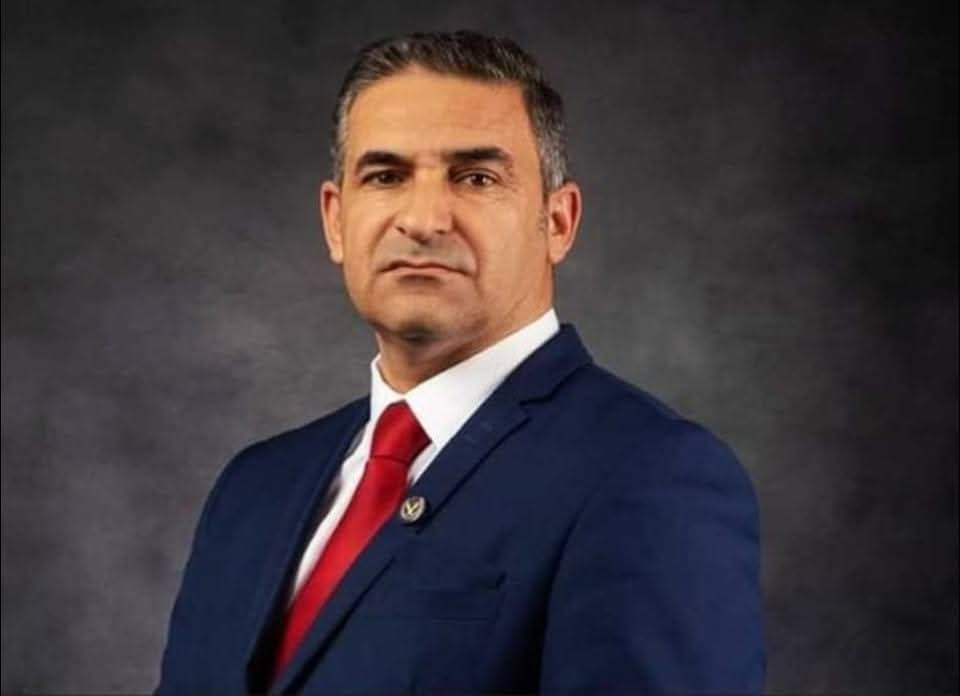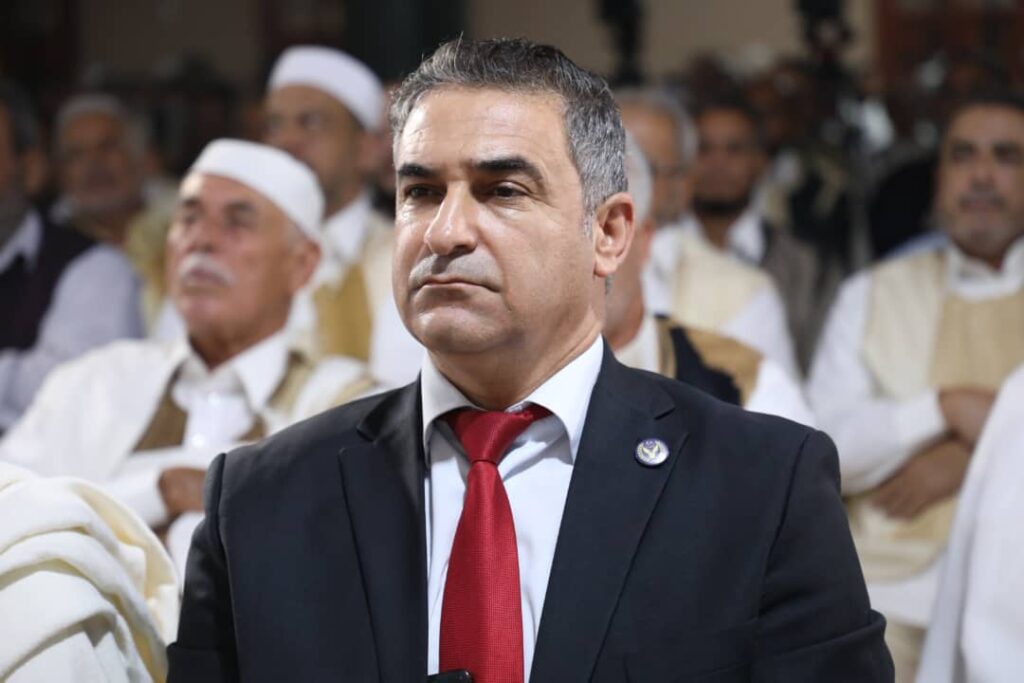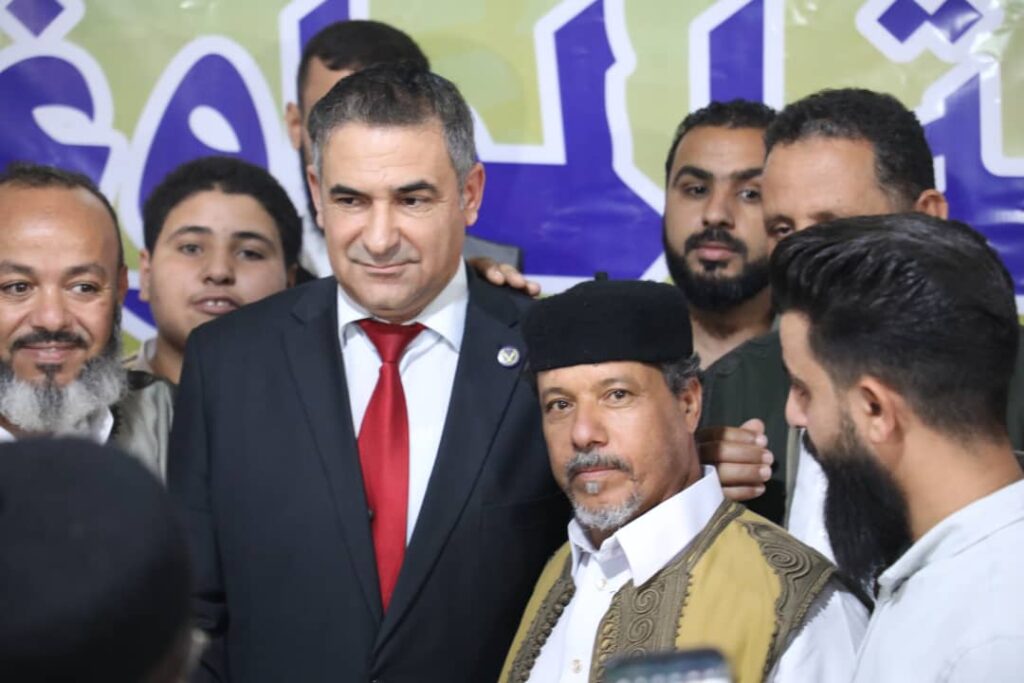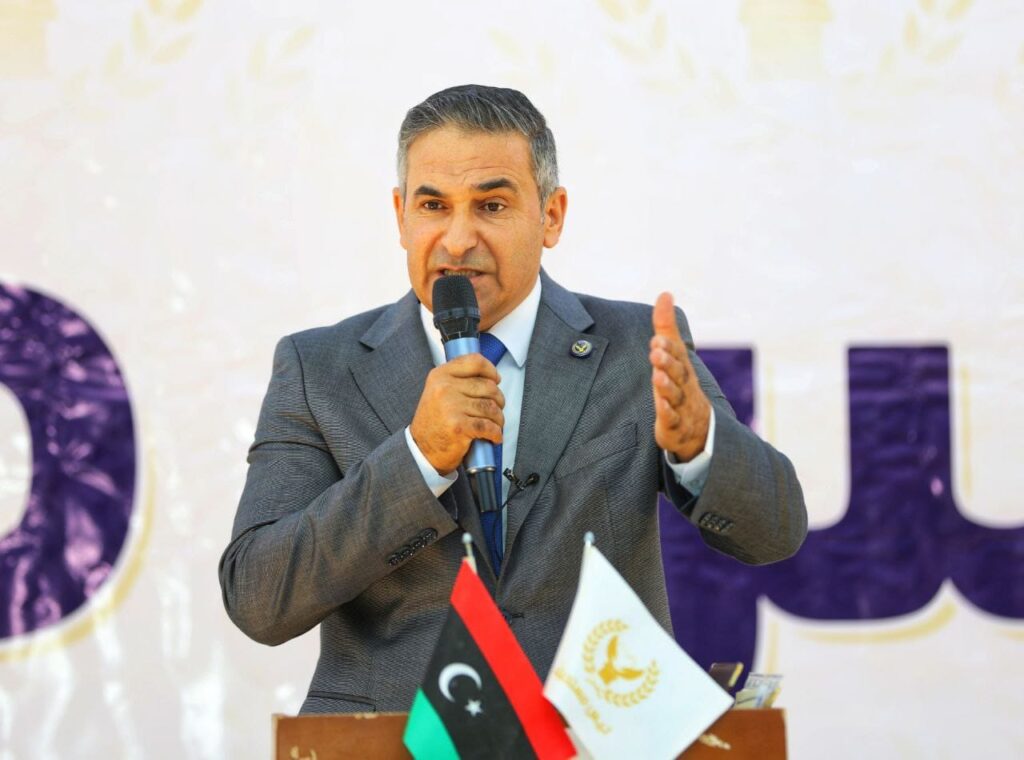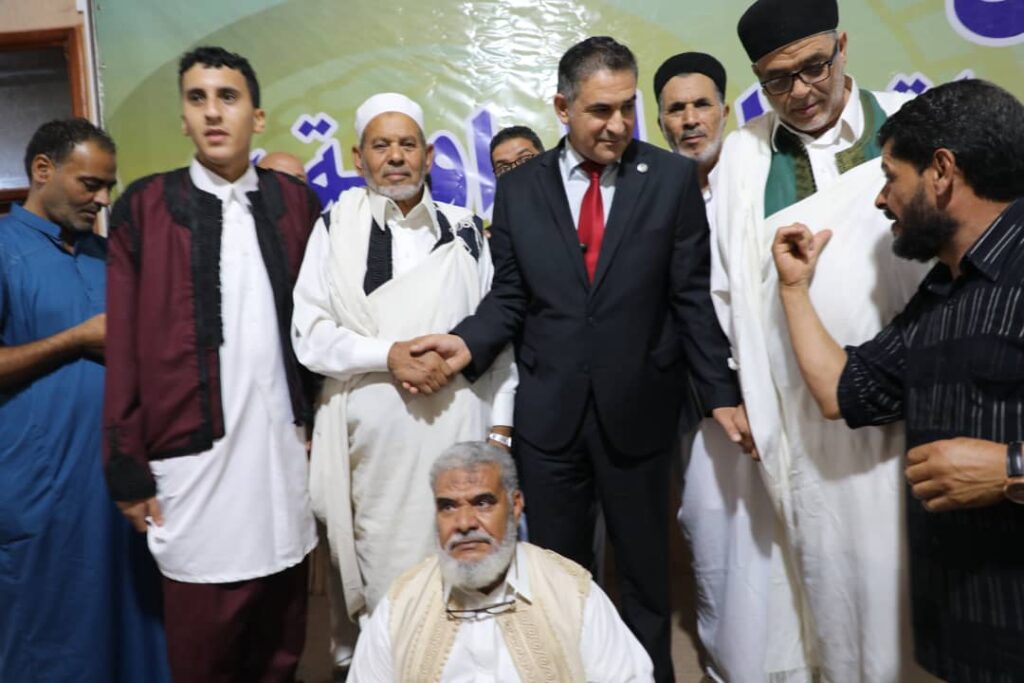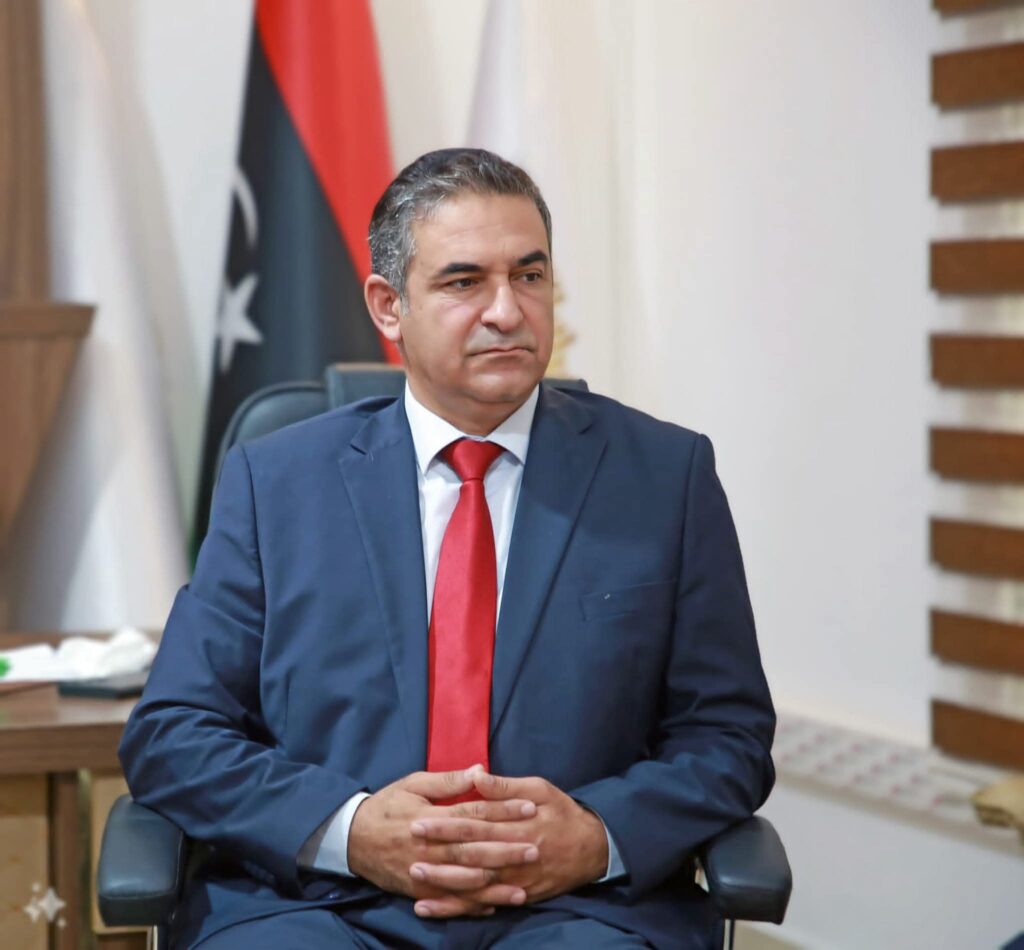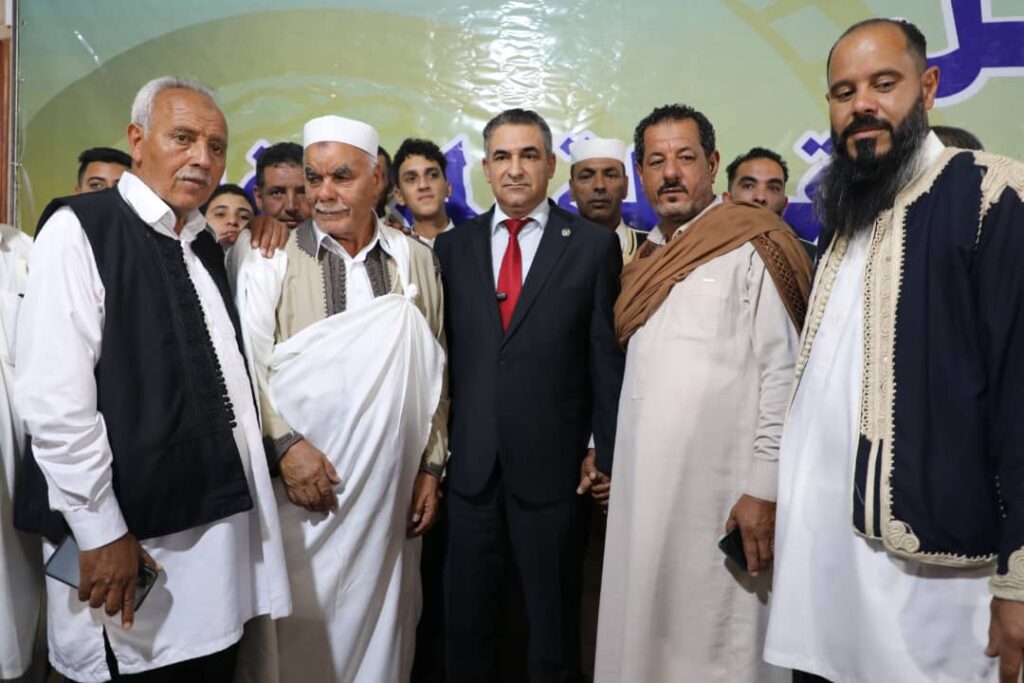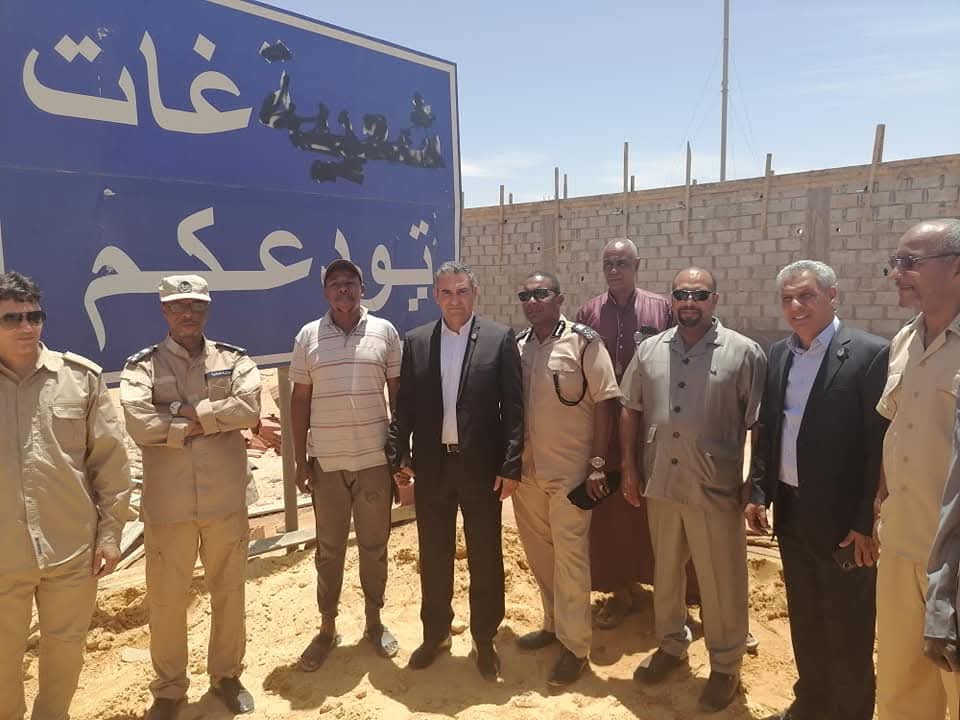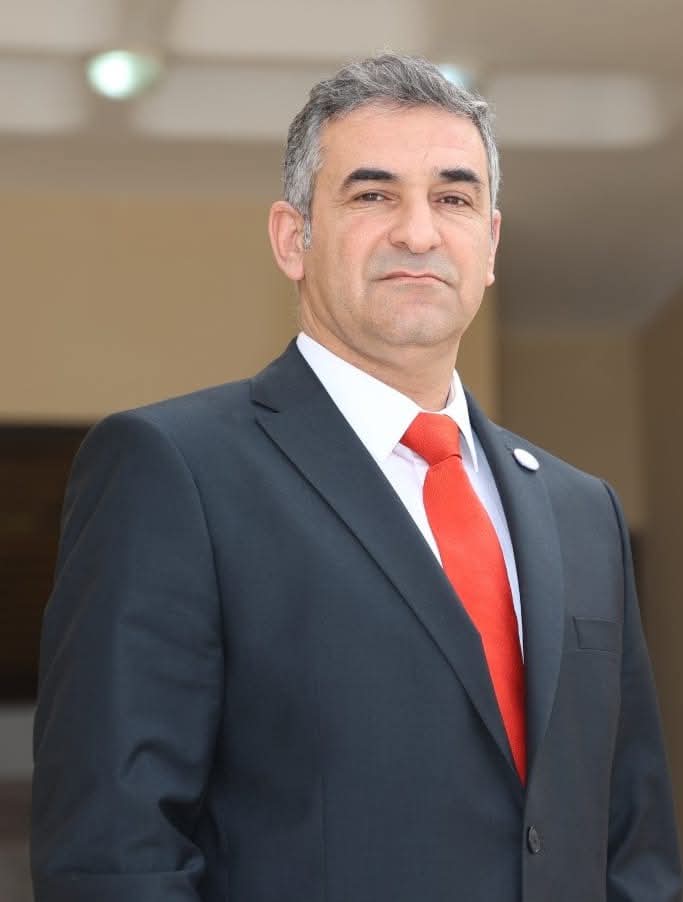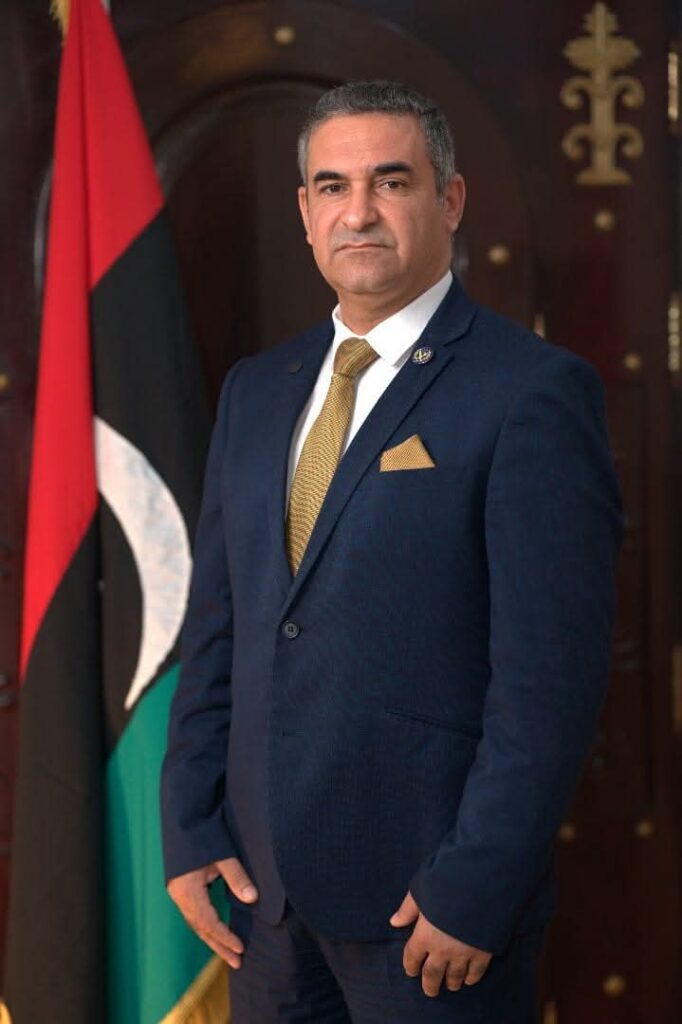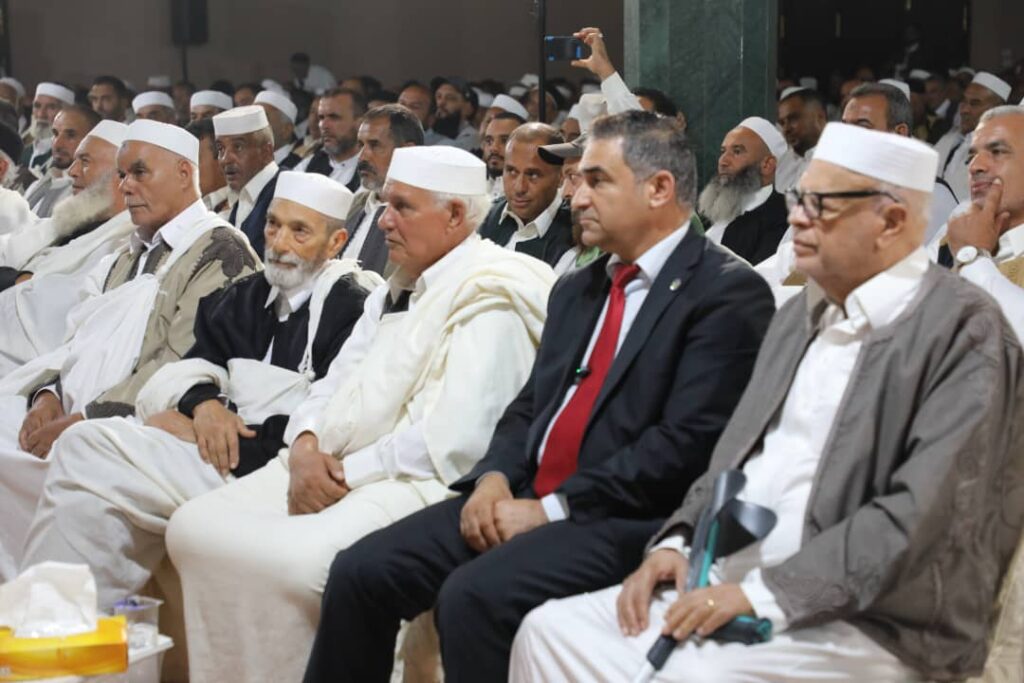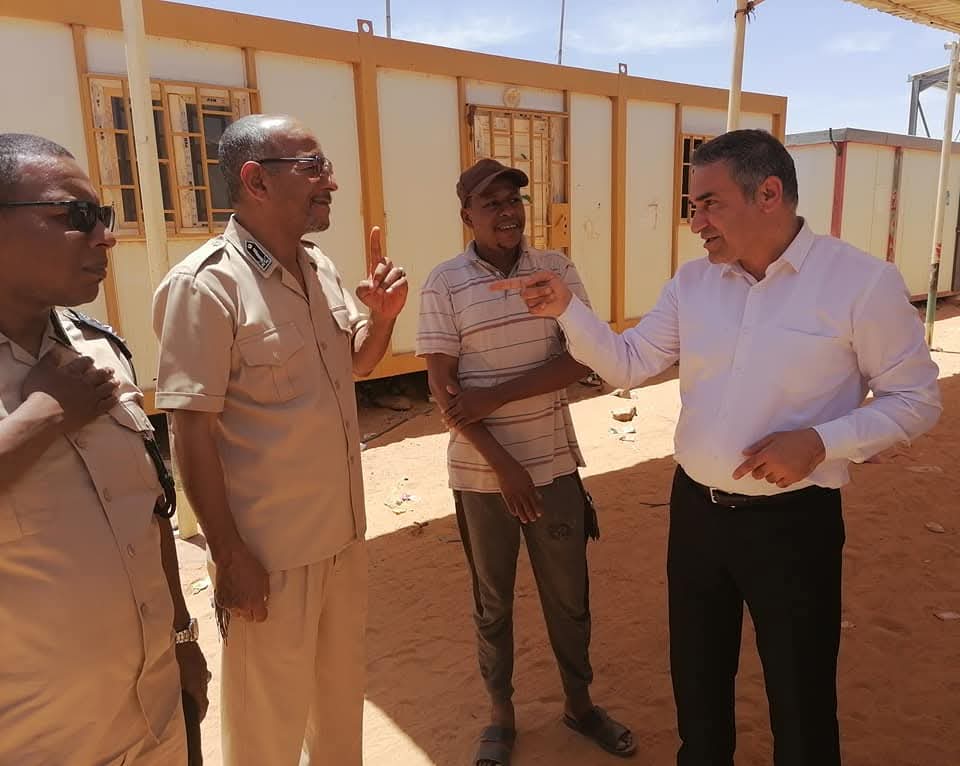

 (AGENPARL) - Roma, 4 Maggio 2026 - In a context marked by prolonged political fragmentation, competing power structures, and deep social divisions, Libya continues to face significant challenges in building a stable and unified state. This interview explores the vision of Eng. Elmezughi, a presidential candidate who advocates for a governance model rooted in institutional strength, data-driven decision-making, and national reconciliation. Addressing key issues such as the role of armed actors, relations with political elites, foreign interference, and the path toward credible elections, Elmezughi outlines a strategy aimed at moving Libya beyond temporary arrangements toward a sustainable and inclusive political system.
Question. Eng. Elmezughi, you often speak about applying a “scientific and realistic methodology” to governing the country. In a context where power dynamics are frequently shaped by tribal alliances or armed pressure, how can a purely technical approach break the current political deadlock without becoming subordinate to the power-driven logic that has dominated Libya over the past decade?
Eng. Elmezughi. When I speak about a “scientific and realistic methodology,” I am referring to an approach grounded in building effective institutions, making decisions based on data, and aligning policies with clear and achievable national priorities.
Libya does not need more temporary arrangements; it needs a stable system of governance that moves beyond reliance on informal power balances. My objective is to bring all forms of influence—social and security-related—into a clear legal and institutional framework.
In this sense, a scientific methodology is not detached from reality; it is a tool to organize it and transform it into lasting stability.
Question. You enjoy the support of the High Council of State, yet you also claim to have strong relations with the authorities in the East and with Field Marshal Haftar. How do you intend to manage the risk that your candidacy may be perceived as a “lowest-common-denominator compromise” among current elites, rather than as the necessary turning point to return decision-making power to citizens through elections?
Eng. Elmezughi:It is important to clarify that I am not a candidate of any specific institution. I have received endorsements from members of both the High Council of State and the House of Representatives, as required by the nomination process. However, my political position is independent and fundamentally rooted in a broad popular base.
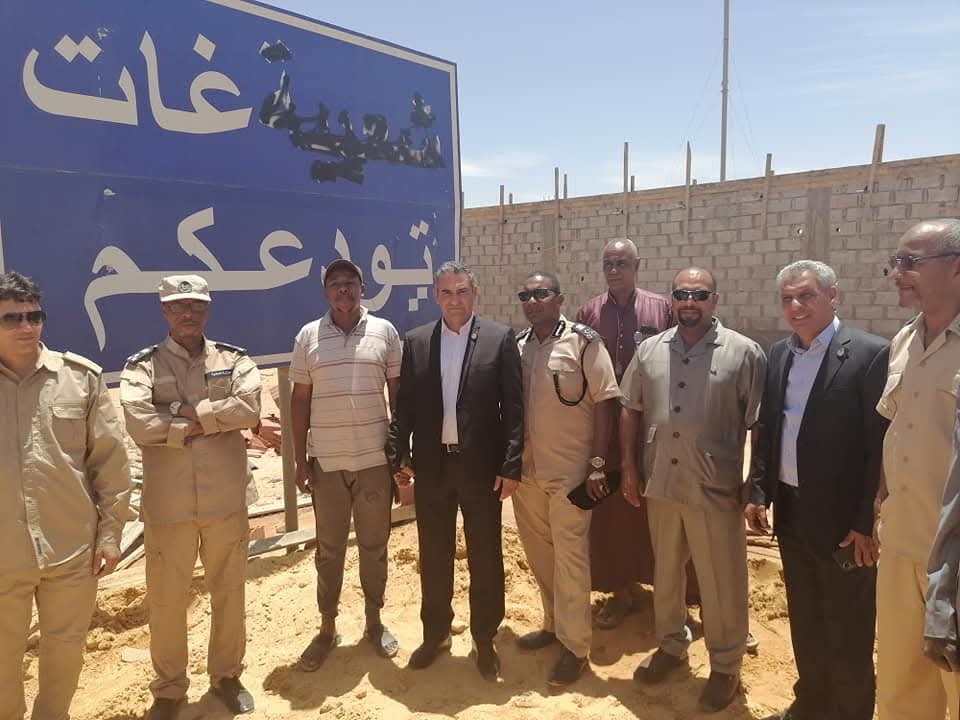
Regarding my relations with various actors, I believe this requires building bridges rather than deepening divisions. I maintain professional and personal relationships based on trust with a number of political and military leaders across the East, West, and South—including Field Marshal Khalifa Haftar—as well as with figures in state security institutions and some armed groups.
These relationships are not exclusive political alliances, but essential channels of communication aimed at rebuilding national trust. What defines them is a shared understanding of the need to unify Libya and end the division.
My goal is not to be a point of convergence for existing elites, but a starting point for a new phase in which power is returned to the Libyan people through free elections and legitimate institutions.
Question. Your position on the immediate expulsion of mercenaries and foreign forces is clear. However, many of these actors are present in Libya under formal or informal agreements with current factions in power. What diplomatic or economic leverage do you plan to use to ensure that these external powers disengage without triggering a collapse in security balances, particularly in border regions?
Eng. Elmezughi. I approach this issue from both a sovereignty and a pragmatic perspective. Yes, all foreign forces and mercenaries must leave Libya, but this must be done in an organized and responsible manner.
My vision is based on: Direct diplomatic engagement with the countries involved, grounded in mutual interests and respect for Libya’s sovereignty
Accelerating the unification of Libyan military and security institutions, which is the decisive factor in removing any justification for foreign presence
Working with international partners to ensure a gradual and balanced withdrawal that prevents any security vacuum
The international community understands that Libya’s stability serves , and we will build on this understanding to achieve a safe and sustainable withdrawal.
Question. You have described the UN envoy Bathily’s briefing as “frustrating” and have expressed doubts about the “truthfulness” of statements made by the Electoral Commission. If your presidency were to emerge in this climate of mutual distrust, how would you restructure relations with international institutions so that they act solely as technical facilitators of the Libyan process, without influencing the national political agenda?
Eng. Elmezughi. Libya needs an effective international partnership, but one that is clearly defined.
What we seek is a role for international actors based on technical support and facilitation of the political process, without interference in shaping national decisions.
We will work to rebuild trust with international institutions through clarity and commitment, but within a fundamental principle:
Libyan decisions must be made inside Libya.
This balance is essential for any sustainable political process.
Question. Your connection to Tarhuna represents a key pillar of your national support. However, Libya’s recent history is marked by deep inter-community wounds. What concrete mechanisms of restorative justice or national reconciliation would you include in your government’s mandate to ensure that the support you currently receive from tribes and mayors evolves into lasting peace rather than a temporary truce?
Eng. Elmezughi. My belonging to Tarhuna is a source of pride, but it does not define the scope of my political project. My vision is fully national.
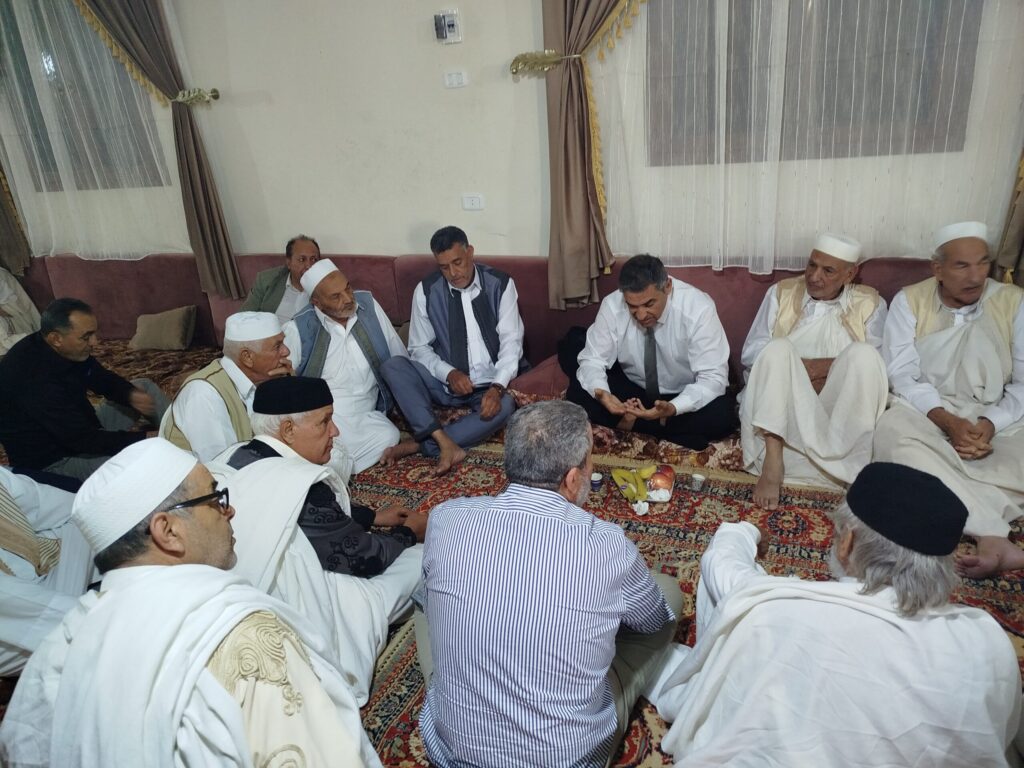
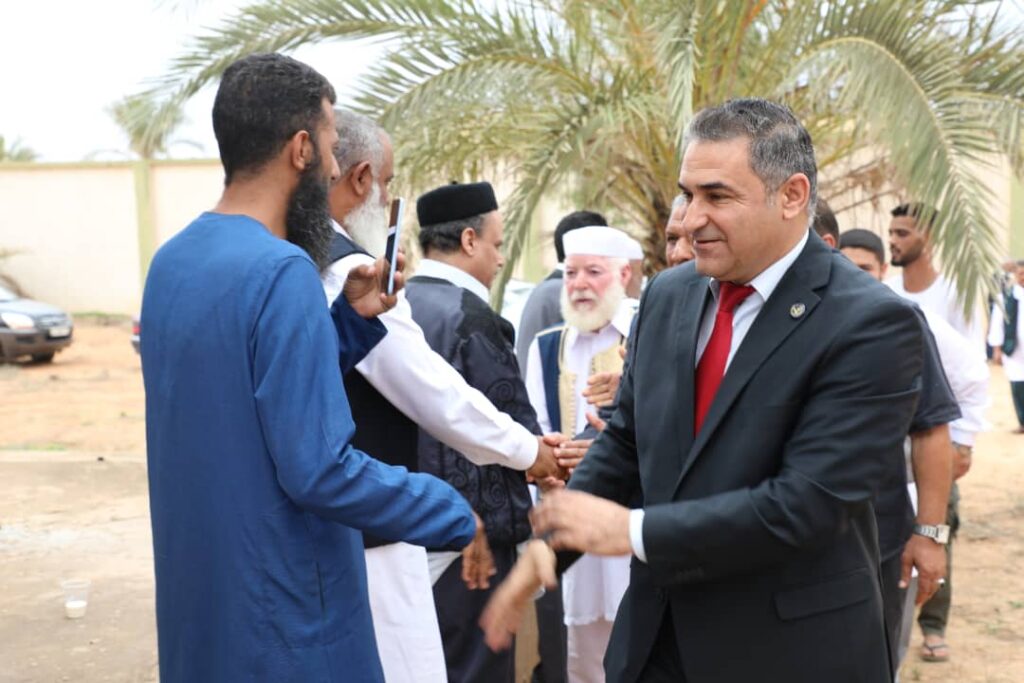
At the same time, we maintain strong and positive relations with tribal leaders across Libya, and this represents an important asset that can be built upon in the reconciliation phase.
I believe tribes can play a constructive role in achieving social peace, but within the framework of the state and its institutions—not as an alternative to them.
Therefore, my program includes:
Launching a comprehensive national reconciliation process
Adopting restorative justice mechanisms based on truth, accountability, and reparations
Engaging local and tribal leaders as partners in stabilizing communities
Our goal is to move from fragile balances to lasting peace, under a state built on institutions, rule of law, and equal citizenship.