(AGENPARL) - Roma, 10 Ottobre 2025 - (AGENPARL) – Fri 10 October 2025 Articolo/Research article: Intestinal inflammation induces glymphatic
remodeling, priming early neurodegenerative signals in male mice
Rivista/Journal: Alzheimer’s & Dementia: The Journal of the Alzheimer’s
Association
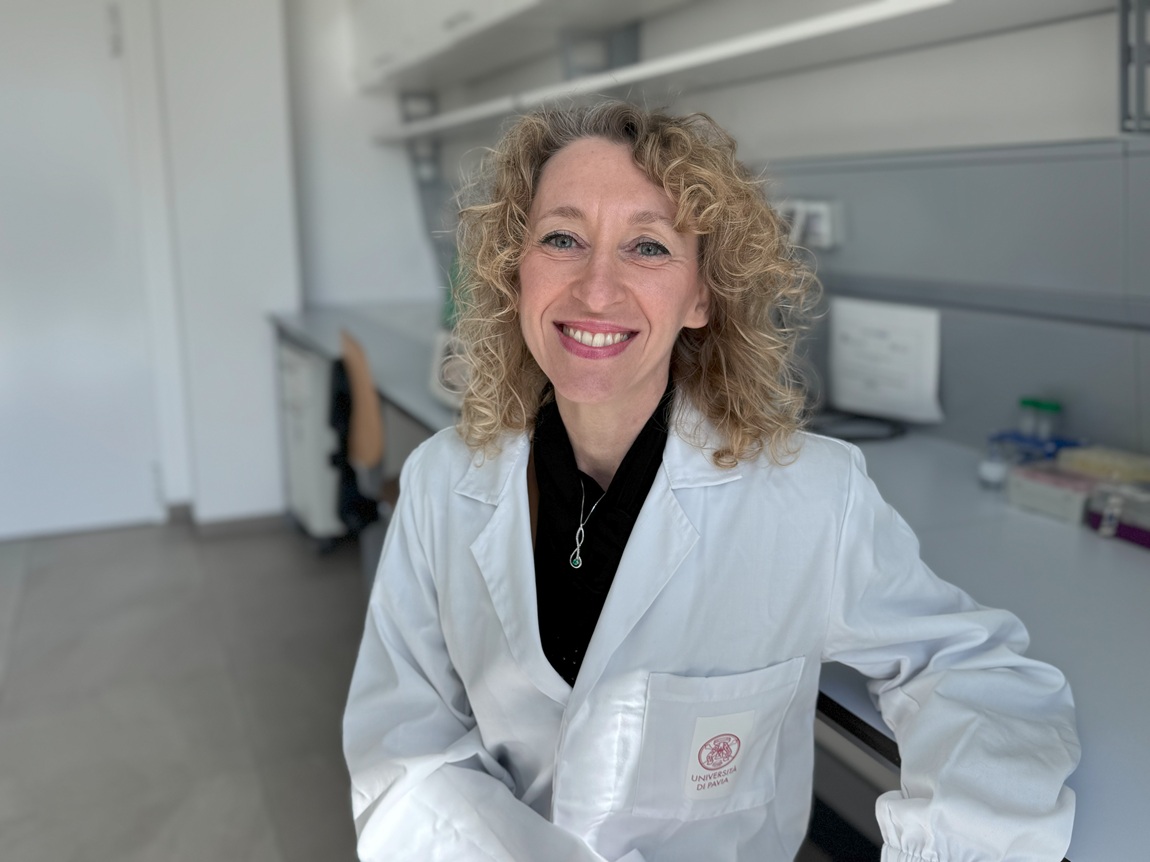
Principal Investigator and corresponding author: Cristina Lanni,
Professore Associato, SSD BIOS-11A, Dipartimento di Scienze del Farmaco,
UNIPV
PAVIA. A two-year research effort, supported by international funding from the
U.S. Alzheimer’s Association to Dr. Cristina Lanni and national grants, has
culminated in a new study that sheds light on the critical link between the gut
and the brain. The work was the result of a major collaboration between six
Italian academic laboratories spread across the country, coordinated by lead
researchers including Carla Ghelardini and Lorenzo di Cesare Mannelli
(University of Florence), Anna Pittaluga (University of Genoa), Rosaria Meli and
Giuseppina Mattace Raso (University of Naples Federico II), and Luigia Trabace
(University of Foggia).
The research employed cutting-edge techniques and specialized facilities,
including the use of in vivo magnetic resonance imaging (MRI) and
spectroscopy on small rodents for detailed brain analysis.
The published findings contribute to the growing field investigating the “gut-
brain axis,” seeking to understand the biological mechanisms that make
patients with inflammatory bowel diseases more susceptible to developing
neurological and neurodegenerative disorders, such as Alzheimer’s disease. In
neuroscience, a highly promising line of research is actively redefining the
relationship between the body and the mind. The primary goal is to explore the
little-understood connections between seemingly distant conditions—like an
intestinal disorder and a brain disease. What were once merely fascinating
intuitions, often lacking solid scientific backing, are now evolving into new
frontiers of molecular research. Technological advancements and novel
insights into the complex biological mechanisms governing these processes are
paving the way for innovative therapies and a more integrated view of health.
Through this joint project, researchers explored an innovative theme: the
alteration of cerebral fluid dynamics following peripheral inflammation. To fully
grasp the study, one must understand the brain’s fundamental “cleanup”
system, known as the glymphatic system (named for its involvement of both
glial cells and the lymphatic system). Our brain constantly produces metabolic
waste that must be cleared. This vital drainage mechanism relies on the
movement of cerebral fluids, with activity spiking particularly during sleep
hours. The researchers have uncovered for the first time the mechanisms
linking acute colon inflammation to a malfunction of the glymphatic system.
The study demonstrates that a single inflammatory event can disrupt the
biological clock and compromise fluid distribution in the central nervous system
—a previously overlooked aspect. This interruption damages the brain’s
“cleanup,” slowing the removal of metabolic waste (through the glymphatic
system) and consequently in parallel altering the release of neurotransmitters,
leading to synaptic dysfunction (synaptopathy).
This entire process suggests that a peripheral disorder, such as gut
inflammation, can disorganize central brain functions, triggering a prodromal
process that, if left undetected and uncontrolled, could eventually culminate in
neurodegeneration. The results underscore the crucial role of the glymphatic
system in transmitting peripheral changes induced by inflammatory colitis
toward the central nervous system—a mechanism that may also help explain
the onset of neurological comorbidities. Furthermore, the research points to
restoring glymphatic homeostasis as a potential target for the development of
new drugs, especially in the context of inflammatory bowel diseases. From a
translational research perspective, understanding which types of inflammation
can disrupt the daily rhythm of the brain’s waste disposal mechanisms is of
vital importance. This knowledge could ultimately help identify at-risk
populations with a higher susceptibility to developing neurological disorders.
Studio UNIPV indaga sui meccanismi che rendono più suscettibili pazienti con patologie infiammatorie intestinali a sviluppare malattie neurologiche
 By
By