 (AGENPARL) - Roma, 8 Agosto 2026 - The first appearance of Pakistani-made armored vehicles in Khartoum has raised concerns extending beyond the course of the Sudanese war, after the Indian media outlet “News18” quoted Baloch groups expressing fear that the revenues of an arms deal between Islamabad and Khartoum, estimated at around $1.5 billion, could become an additional source of funding for Pakistani security operations in Balochistan, alongside Indian concerns over the expansion of Pakistan’s military presence and the use of Chinese technologies near the Red Sea.
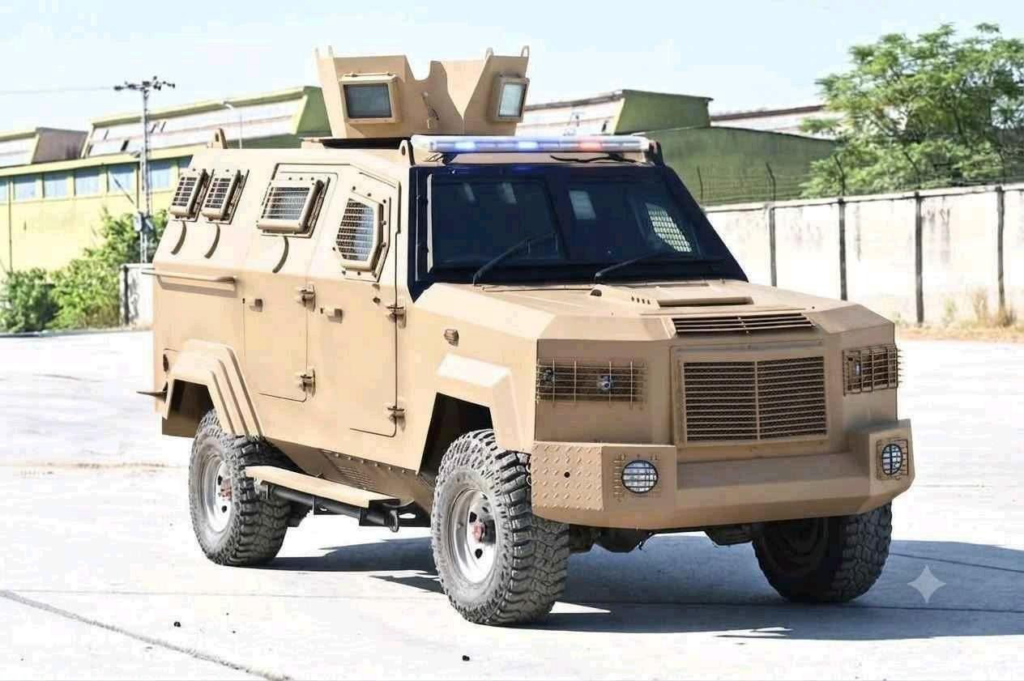
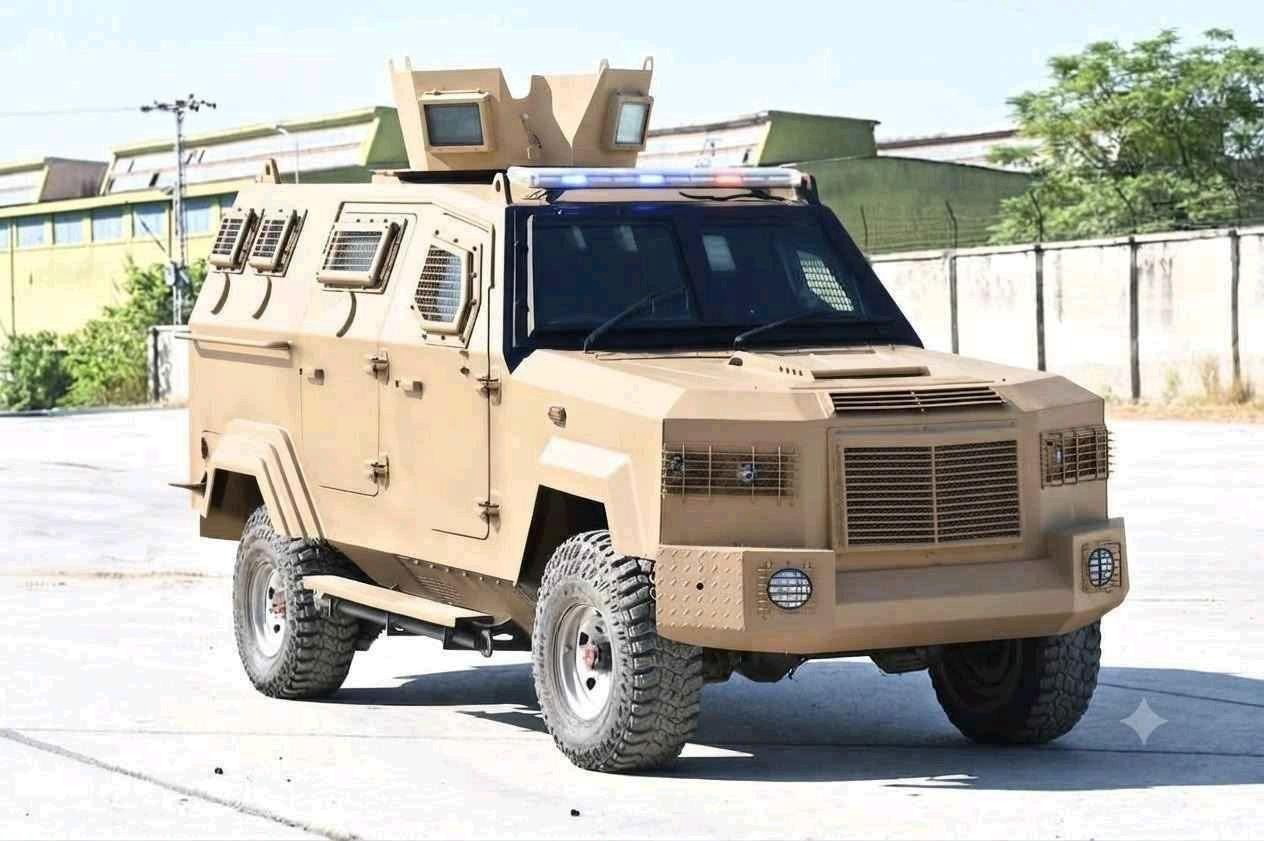
A report published by “News18” on August 6, 2026, prepared by journalist Manoj Gupta and edited by Saurabh Verma, citing senior Indian intelligence sources, revealed that Pakistani armored vehicles of the “Mohafiz-V” type appeared for the first time, according to the sources, during a military parade in Khartoum — considered the first visual evidence of Pakistani military equipment reaching the Sudanese Armed Forces.
According to the report, the appearance of the armored vehicles comes as part of a broader defense arrangement between Pakistan and Sudan, with a total estimated value of about $1.5 billion, including drones, training aircraft, and air defense systems.
The “Mohafiz-V” armored vehicle is manufactured by the Pakistani state-owned company “Heavy Industries Taxila” (HIT), built on a modified Toyota Land Cruiser LC79 chassis, and accommodates eight personnel. It provides B6-level ballistic protection, is equipped with eight firing ports and a 360-degree rotating turret, and has puncture-resistant tires enabling it to continue moving for up to 50 kilometers after being hit.
An Arms Package Beyond the Armored Vehicles
“News18” quoted Indian intelligence sources as saying that the potential package also includes armed “Shahpar-2” drones, “Yaya-3” suicide loitering munitions, and K-8 Karakorum training and light-attack aircraft, alongside air defense systems of Chinese origin.
The report described the deal as one of Pakistan’s most ambitious attempts to expand its defense exports through its state-owned defense industry, though the implementation of the agreement has faced delays and uncertainty due to shifts in financing — particularly reports that Saudi Arabia had adjusted the level of its financial support for the deal.
The report stated that the commander of the Sudanese army, Lieutenant General Abdel Fattah al-Burhan, undertook diplomatic moves including visits to Riyadh in an attempt to revive the financing arrangements and ensure the continued delivery of equipment.
India Watches the Red Sea
The report adds a strategic dimension extending beyond the two parties to the deal, citing Indian intelligence sources’ concerns that the deployment of Pakistani military equipment — some of which includes technologies of Chinese origin — in the Red Sea region could expand
Pakistan’s strategic footprint near India’s vital maritime lines of communication in the Indian Ocean.
The sources believe that the operational use of platforms such as “Shahpar-2” and “Yaya-3” in an active conflict zone could provide Pakistan with field combat data that could be used in the future development of its military systems. The sources also warned, according to “News18,” that transferring advanced surveillance systems, loitering munitions, and armored vehicles to a country experiencing an ongoing war increases the risk of arms diversion and technology leakage, and the possibility of them reaching armed groups or proxy networks in the region.
The same sources claim that financing defense exports through regional third parties could allow Pakistan to obtain foreign currency revenues and support its domestic defense production outside the scope of traditional international financial oversight channels.
Balochistan Enters the Deal
The most internally sensitive dimension concerns the fears the deal has raised among Baloch groups. “News18” quoted the “Baloch People’s Congress” (BPC) and allied organizations as criticizing reports regarding the supply of armored vehicles, drones, training aircraft, and air defense systems to the Sudanese army, at a time when Sudan remains mired in a war that has caused a wide-scale humanitarian crisis and displaced millions of civilians.
The Congress expressed concern that pumping more weapons into Sudan could worsen the humanitarian crisis and escalate violence there, linking this to what it described as the Pakistani state’s use of military force in the Baloch, Sindhi, and Pashtun regions.
The Congress went further, warning of the possibility that part of the revenues from the arms deal — estimated at about $1.5 billion — could be reinvested in the Pakistani military establishment, thereby enhancing its capacity to fund its internal security operations in Balochistan and other regions.
In sum, the appearance of the “Mohafiz-V” in Khartoum opens a file that extends beyond the arrival of Pakistani equipment in Sudan, reaching into Islamabad’s defense interests, Indian concerns linked to the Chinese technologies used in some of the systems, and the fears of Baloch groups over where the deal’s revenues might ultimately go. However, this picture remains governed by narratives and sources conveyed by “News18” that have not been independently confirmed, in the absence of any official announcement from Islamabad or Khartoum regarding the deal, its size, or the details of its implementation